Quranic Arabic vs Transliteration: Why Both Are Essential for Non-Arabic Speakers
Discover the relationship between Quranic Arabic and English transliteration. Learn how transliteration acts as a stepping stone while preserving vocal accuracy.
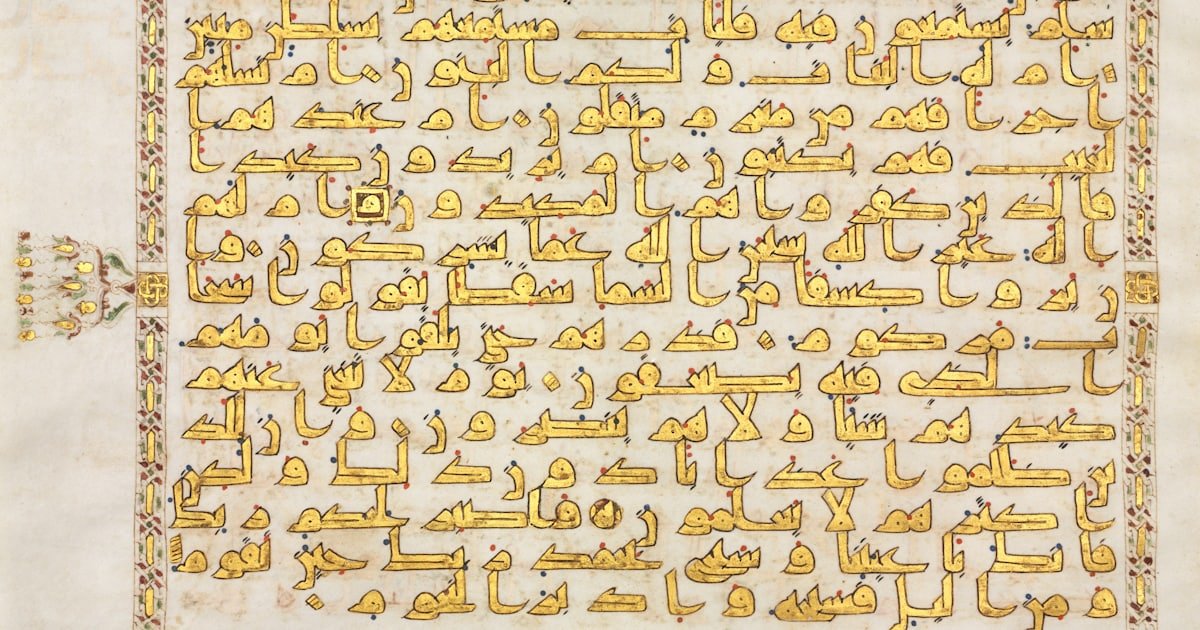
- The Quran was revealed in pure Arabic (Lisanan 'Arabiyyan)—its divine rhythm and exact nuances can only fully exist in Arabic.
- Transliteration serves as a indispensable temporary scaffolding for new learners and non-Arabic speakers.
- Relying solely on English letters without audio or diacritics can cause mispronunciations that alter divine meanings.
- The ideal learning method pairs Arabic Uthmani text, English transliteration, and authentic audio recitation simultaneously.
A frequent question among new Muslims and non-Arabic speaking students of the Quran is: "Can I just read the Quran in English transliteration, or do I need to learn Arabic?"
The short answer is that transliteration is an invaluable bridge, but Quranic Arabic remains the primary divine text. Understanding how both work together creates the ultimate learning strategy.
1. Phonetic Differences Between English & Arabic
Arabic is a rich, semitic language built upon root consonants and precise points of vocal articulation (Makharij). English lacks direct equivalents for several Arabic letters:
| Arabic Letter | Phonetic Name | English Equivalent Status | Why Transliteration Needs Symbols |
|---|---|---|---|
| ح | Ḥā | No exact equivalent | Stronger than English 'H', produced in throat center |
| ع | 'Ayn | No equivalent in Western languages | Deep pharyngeal compression sound |
| غ | Ghayn | Similar to French 'R' or gargling | Voiced velar fricative |
| ق | Qāf | Deeper than English 'K' | Articulated from the uvula at back of throat |
2. Why Transliteration is Vital for Beginners
- Immediate Access to Prayer (Salah): A new Muslim can begin reciting daily prayers (such as Surah Al-Fatiha) on day one using transliteration.
- Confidence Building: Removes the intimidating barrier of learning a new alphabet before connecting with scripture.
- Pronunciation Verification: Helps students confirm whether they are pronouncing a word correctly when listening to reciters.
3. Practical Strategy for Long-Term Growth
To get the most out of your Quranic journey, adopt a three-tier study routine:
- Read Transliteration for Speed & Recitation Practice: Use our Surah Browser to follow along during daily recitation.
- Listen to Certified Audio: Always train your ear to native Arabic Tajweed sounds.
- Learn Arabic Letters Gradually: Dedicate 10 minutes a day to learning Arabic letter shapes and vowel signs (Harakat).
Where to Go Next
Begin applying this with Surah Al-Fatihah and the short surahs. Learn the symbol system in the complete transliteration guide, build vocabulary with word-by-word transliteration, and if you read English translations, compare editions in Yusuf Ali vs Sahih International vs Noble Quran.
Frequently Asked Questions
Is it wrong to read the Quran in transliteration instead of Arabic?
It is not wrong to use transliteration as a learning aid, and scholars widely permit it for those who cannot yet read Arabic. The consensus is that it is a valid bridge, but readers are encouraged to work toward the original Arabic over time, since transliteration cannot capture every sound perfectly.
Why can't transliteration fully replace Arabic script?
Arabic has sounds — such as ع, ح, ق, and ض — that have no exact equivalent in the Latin alphabet, so transliteration can only approximate them. The Arabic script also preserves recitation marks and the precise text of the Qur'an, which is why it remains the reference for accurate recitation.
What is the best way to move from transliteration to Arabic?
Read transliteration alongside the Arabic script and audio for short surahs first, so you begin associating familiar sounds with Arabic letters. Spend a few minutes daily learning letter shapes and vowel signs, then gradually rely less on the Roman-script line.