Quran Translation Editions Compared: Yusuf Ali, Sahih International & the Noble Quran
Compare the most popular English Quran translations used with transliteration — Abdullah Yusuf Ali, Sahih International, and the Noble Quran — to choose the right edition for your study.
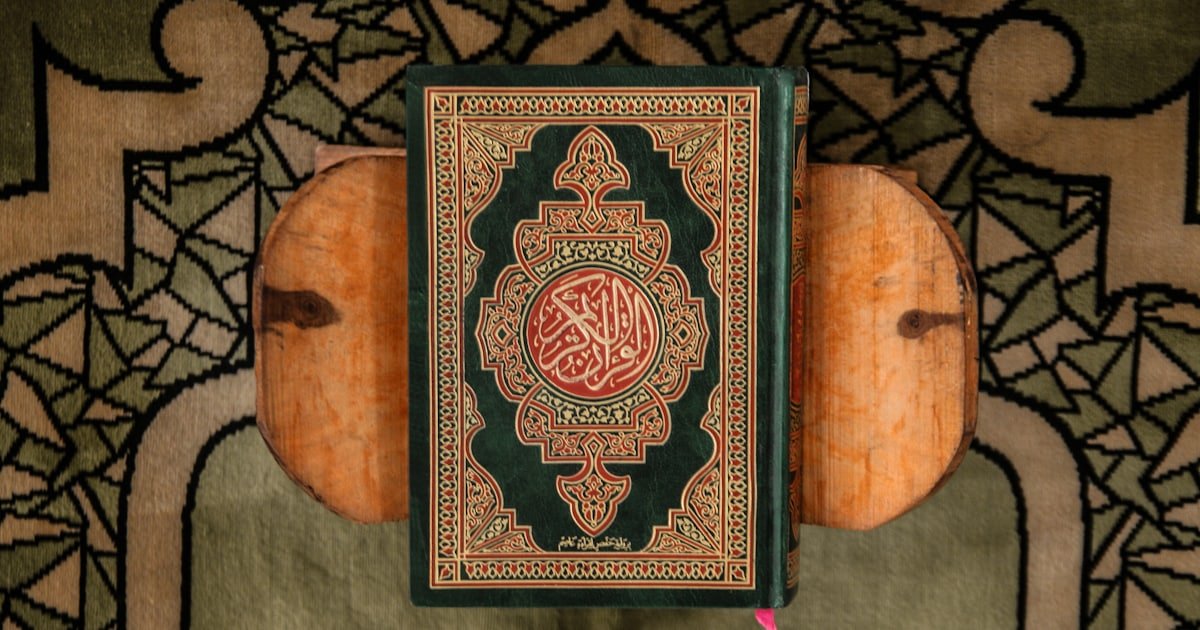
- The Abdullah Yusuf Ali translation (1934) is prized for its poetic English and extensive footnotes, making it popular for reflective study.
- Sahih International (1997) uses clear, modern English and is the most common translation paired with transliteration on Quran apps and websites.
- The Noble Quran (Hilali-Khan) inserts explanatory notes and classical commentary directly into the text for added context.
- Transliteration is independent of translation choice — you can read the same Roman-script pronunciation alongside any English edition.
When you read the Qur’an in English, you are almost always reading a translation of meaning — a scholar’s rendering of the Arabic, not the Arabic itself. Different translators made different choices about tone, vocabulary, and how much explanation to include. For readers who rely on transliteration, the translation sits beside the Roman-script pronunciation, so choosing an edition that matches your reading level matters.
This guide compares the three most widely used English editions and explains how each works alongside transliteration.
1. Abdullah Yusuf Ali
First published in 1934, the Abdullah Yusuf Ali translation is one of the most beloved English renderings. Its language is deliberately elevated and poetic, and it is famous for its detailed footnotes that explain historical context, cross-references, and spiritual themes. Readers who want depth and reflection often prefer it, though the older English style (with words like “thee” and “thou” in some printings) can feel formal to modern readers.
2. Sahih International
Published in 1997, Sahih International has become the default English translation on most Quran websites and apps — including the translation shown on this site. It favors clear, contemporary English and a straightforward sentence structure, which makes it especially easy to follow line-by-line next to transliteration. If you are new to reading the Qur’an in English, this is usually the most accessible starting point.
3. The Noble Quran (Hilali-Khan)
The Noble Quran, translated by Muhammad Muhsin Khan and Muhammad Taqi-ud-Din al-Hilali, weaves brief explanatory notes and classical commentary (from sources like Tafsir al-Tabari and Sahih al-Bukhari) directly into the translated text using parentheses and brackets. This gives immediate context but makes the reading denser than Sahih International.
Side-by-Side Comparison
| Edition | Year | English Style | Notes / Commentary | Best For |
|---|---|---|---|---|
| Abdullah Yusuf Ali | 1934 | Poetic, literary (some archaic) | Extensive footnotes | Reflective study |
| Sahih International | 1997 | Clear, modern | Minimal, clean text | Beginners & pairing with transliteration |
| Noble Quran (Hilali-Khan) | 1977 | Modern with inline brackets | Inline commentary & hadith | Context while reading |
How Transliteration Fits In
Transliteration represents the sound of the Arabic and is completely independent of which translation you choose. On every surah page — for example Surah Al-Fatihah — you can read the Arabic script, the Roman-script transliteration, and an English translation together. The transliteration stays the same no matter which edition’s wording you compare it against. A practical routine is to recite from the transliteration while glancing at the translation to absorb meaning, then confirm pronunciation with the transliteration key and audio. If you are still deciding whether to read Roman script at all, see our guide on Quranic Arabic vs transliteration, and to learn the words themselves, read about word-by-word transliteration.
Which Should You Choose?
- Just starting: Sahih International — clearest modern English.
- Reflective study: Yusuf Ali — rich footnotes and literary tone.
- Context while reading: Noble Quran — inline commentary.
Frequently Asked Questions
Which English Quran translation is best for beginners?
Sahih International is generally the easiest for beginners because it uses clear, modern English and simple sentence structure. It is also the translation most commonly paired with transliteration on Quran apps and websites, so it lines up naturally with Roman-script recitation.
Is the Abdullah Yusuf Ali translation available with transliteration?
Yes. Transliteration represents the Arabic pronunciation and is independent of the translation, so the Roman-script transliteration can be read alongside the Yusuf Ali translation just as it can with any other edition. You get the same phonetic reading regardless of which English wording you study.
What is the difference between the Noble Quran and Sahih International?
The Noble Quran (Hilali-Khan) inserts explanatory notes and classical commentary directly into the text using brackets, giving immediate context. Sahih International keeps the translation clean and modern without inline commentary, which makes it lighter to read alongside transliteration.
Which Quran translation is the most accurate?
No single English translation is universally 'the most accurate,' because every translation is one scholar's rendering of the meaning and the Arabic original always carries nuances that English cannot fully capture. Among widely trusted editions, Sahih International is prized for close, literal accuracy in clear modern English, the Noble Quran adds classical commentary for context, and Yusuf Ali is valued for its explanatory footnotes. For accuracy, many readers compare two editions side by side and treat the Arabic (with transliteration for pronunciation) as the reference point.
Are English translations of the Quran accurate?
Reputable English translations are accurate renderings of the meaning, but they are interpretations, not the Quran itself — which is why Muslims regard only the Arabic as the Quran and treat translations as an aid to understanding. Differences between editions come from word choice and how much interpretive context each translator adds, not from disagreement about the Arabic text, which is fixed. Reading the Arabic alongside a transliteration and a trusted translation gives you both the exact words and their meaning.
Which Quran translation should I read?
If you are starting out, read Sahih International for its clear modern English; for reflective study choose Yusuf Ali for its footnotes; and for commentary woven into the text choose the Noble Quran. Whichever you pick, you can read the same Roman-script transliteration beside it, since transliteration reflects the Arabic pronunciation and is independent of the translation you choose.