Tajweed Rules for Beginners: How Transliteration Helps Master Quranic Recitation
Understand essential Tajweed rules including Noon Sakinah, Meem Sakinah, Qalqalah, and Ghunnah with clear transliteration examples and recitation guidelines.
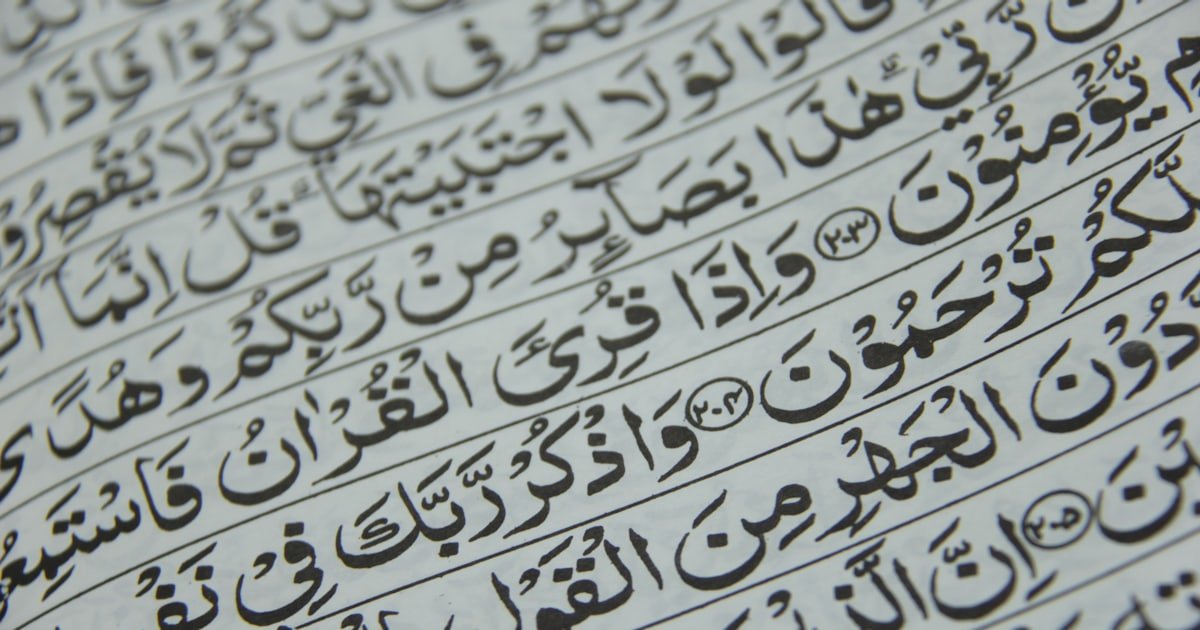
- Tajweed literally means 'improvement' or 'beautification'—preserving the authentic recitation handed down from Prophet Muhammad (PBUH).
- Noon Sakinah and Tanween have four primary rules: Izhar (Clarity), Idgham (Merging), Iqlab (Conversion to 'M'), and Ikhfa (Concealment).
- Qalqalah creates a bouncing echo on five specific letters (ق, ط, ب, ج, د) when they carry a Sukūn.
- Ghunnah is a 2-count nasal resonance mandatory on Noon and Meem with a Shaddah (نّ , مّ).
The linguistic meaning of Tajweed (تجويد) is to make better, excel, or refine. In Islamic terminology, Tajweed is the science of giving every Arabic letter of the Quran its right (Makhraj - point of articulation) and its due characteristics (Sifāt).
While mastering full Tajweed requires dedicated study under a qualified teacher, beginners can greatly accelerate their understanding by learning how key Tajweed rules are embedded into quality English transliteration texts.
1. The Four Rules of Noon Sakinah & Tanween
Whenever a non-voweled Nūn (نْ) or Tanween (double vowels ً ٍ ٌ) appears, one of four rules applies depending on the following letter:
| Rule Name | Meaning | Trigger Letters | Transliteration Representation |
|---|---|---|---|
| Izhar (إظهار) | Clear pronunciation without nasal delay | Throat letters: ء, هـ, ع, ح, غ, خ | Man 'āmana (N pronounced distinctly) |
| Idgham (إدغام) | Merging Nūn into the next letter | ي, ر, م, ل, و, ن (Yarmaloon) | Mir-Rabbihim (instead of Min-Rabbihim) |
| Iqlab (إقلاب) | Converting Nūn sound to 'M' | ب (Bā) | Mim-ba'di (instead of Min-ba'di) |
| Ikhfa (إخفاء) | Light nasal concealment sound | Remaining 15 letters (ت, ث, ج, د...) | Man-ṣūrā (soft nasal N) |
2. Qalqalah: The Echoing Vibration
Qalqalah refers to a strong rebounding or echoing sound when one of the five Qalqalah letters carries a Sukūn (silent mark) or occurs at the end of a verse stop:
The five Qalqalah letters are combined in the mnemonic phrase قُطْبُ جَدٍّ (Qutb Jaddin):
- Qāf (ق)
- Ṭā (ط)
- Bā (ب)
- Jīm (ج)
- Dāl (د)
Example in Transliteration: In Surah Al-Ikhlas: Qul Huwa Allāhu Aḥad. When stopping on Aḥad, the final d undergoes a strong Qalqalah echo.
3. Ghunnah: Nasalization Timing
Ghunnah is a sweet, resonant sound emitted through the nasal cavity for a duration of two full counts. It is obligatory whenever Nūn (نّ) or Meem (مّ) has a Shaddah (doubling mark).
In transliteration, this is frequently shown as doubled letters: Inna (إنّ) or Amma (عمّ). Make sure not to rush through these doubled consonants!
4. Summary Checklist for Beginner Reciters
- Slow down your pace (Tarteel)—Tajweed requires deliberate clarity.
- Hold Ghunnah (Inna, Amma) for 2 full beats.
- Bounce Qalqalah letters (q, ṭ, b, j, d) when they carry a silent stop.
- Pay close attention to long macrons (ā, ī, ū) so words retain their proper meaning.
Keep Practicing
Apply these rules verse by verse on a short surah like Al-Fatihah or Al-Ikhlas. To decode the symbols first, read the complete transliteration guide, and to understand each word as you recite, see word-by-word transliteration.
Frequently Asked Questions
Can I learn Tajweed from transliteration?
Transliteration can teach you a lot — long vowels (madd), doubled letters (shaddah), and stops are all visible in careful Roman-script text. But some Tajweed rules depend on subtle articulation and timing that are best learned by listening to a qualified reciter. Use transliteration to see the rule and audio to hear it.
What is Ghunnah in simple terms?
Ghunnah is a nasal sound held for about two beats on the letters Noon (n) and Meem (m) when they carry a shaddah, as in 'Inna' or 'Amma'. You produce it by letting the sound resonate through your nose. It is one of the first Tajweed rules beginners learn.
Which Tajweed rule is most important for beginners?
Madd — the correct elongation of long vowels (ā, ī, ū) — is the most important starting point, because getting vowel length wrong can change a word's meaning. After that, Ghunnah and Qalqalah are the next practical rules to master.